 The Knowledge Network on Climate Assemblies (KNOCA) is hosting a webinar "Climate Assemblies: Emerging Trends, Challenges and Opportunities", on May 2nd from 8:30 - 10:00am Eastern, 5:30 - 7:00am Pacific. While KNOCA is based in Europe, we know there is much to learn from climate assemblies and takeaways on how to further bring citizens' voices into climate governance.
Graham Smith will present insights from an upcoming report on climate assemblies. Erica Hope and Claudia Chwalisz will lead discussions on integrating citizen voices into climate governance. KNOCA aims to enhance climate assembly impact by fostering dialogue among stakeholders and shaping future trends in assembly practice to strengthen climate policy and governance. Learn more in the post below and on KNOCA's site here.
0 Comments
 The White House Office of Management and Budget (OMB) wants your ideas to develop a Federal framework, guidelines, and leading practices for public participation and community engagement (PPCE) activities to help Federal agencies more broadly and meaningfully engage with you and your communities. People are encouraged to share their experiences and provide feedback through public comments, online forms, or attending virtual listening sessions by May 17th. Read the NCDD blog post about the opportunity here. This is the first real opportunity in a while for practitioners like us to help inform Federal practices for engagement! Some may remember our efforts as a network during the Obama Administration, which led to the development of the Core Principles for Public Engagement, and we sent a joint response on the Open Government Action Plan with the Deliberative Democracy Consortium back in 2012 (see the archive post about this here: https://web.archive.org/web/20200918061645/www.ncdd.org/6591). On May 3rd, NCDD staff will convene a listening session to hear from our network and gather input for NCDD’s response. This meeting will provide opportunities to reflect on the questions prompted by the Federal government’s Request for Information. The listening session will be held at 2pm Eastern, 11am Pacific. Register here to join the NCDD Listening Session! Some of the questions we will be exploring include…
If you are unable to join us during the NCDD listening session, you are welcome to share your thoughts via a survey by May 10th. Information gathered from the NCDD listening session and survey, will be compiled and submitted to OMB. Take the survey: LINKED HERE The White House OMB, Office of Science and Technology Policy, and U.S. GSA Open Government Secretariat are hosting a listening session as well. On May 2nd, from 1:30-3:00 PM Eastern, this session offers a chance to learn about the OMB's PPCE framework and share your insights. Register for the government listening session at: LINKED HERE 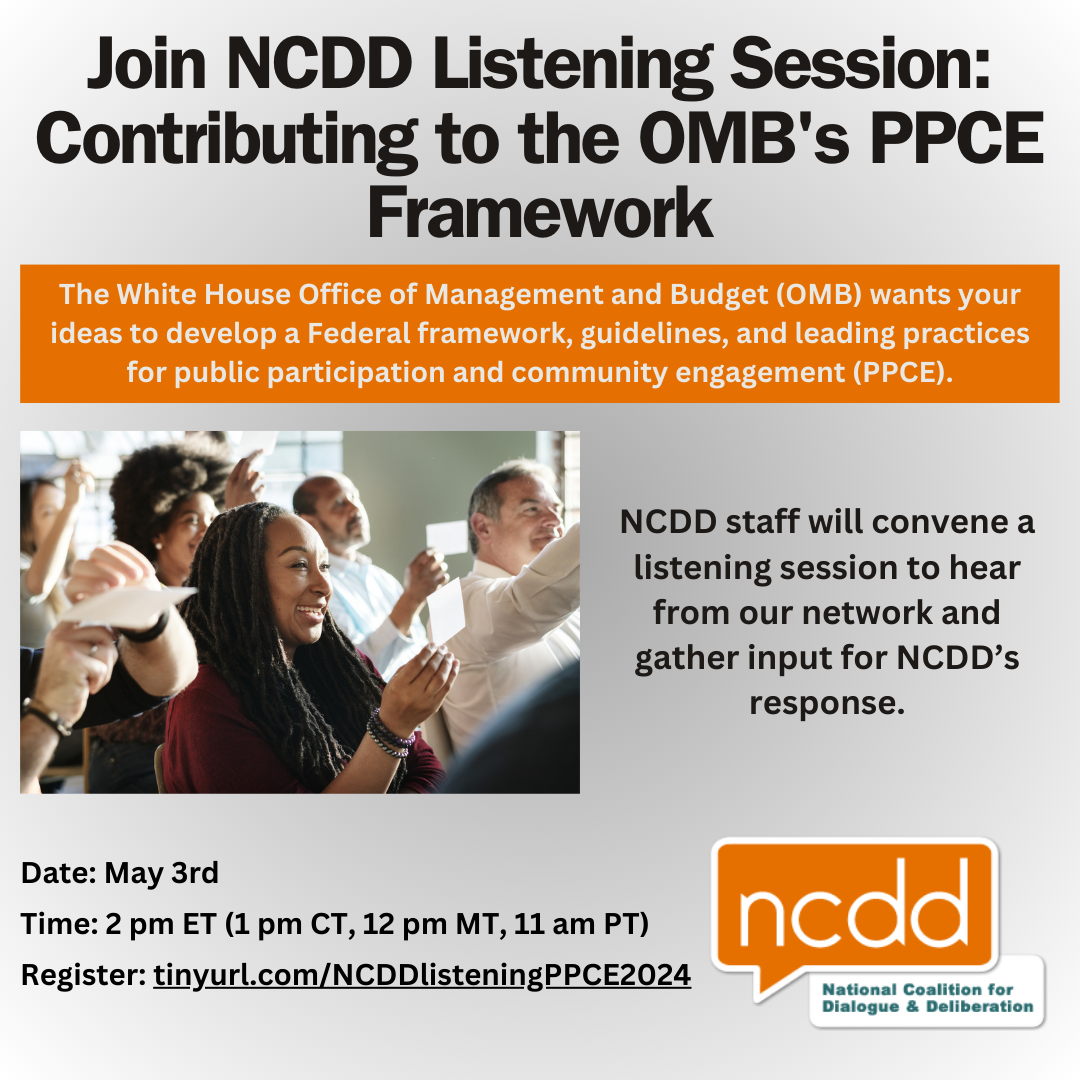  NCDD member org, Essential Partners, announced their new publication, Guide to Dialogues About Israel-Palestine, to actively equip those interested in facilitating dialogues in various settings. This guide emphasizes the importance of respecting diverse perspectives without compromising identities or advocating extreme viewpoints, recommends skilled facilitation for highly polarized situations, and extends support to both trained and untrained facilitators. Its ultimate goal is to cultivate open, hopeful, and caring dialogue spaces amidst complexity and differences. Learn more below and on EP's site here.
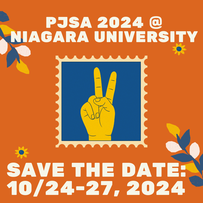 The Peace & Justice Studies Association (PJSA) 2024 conference, themed "We Are All Connected: Fostering Intersectionality and Solidarity," will take place from October 24-27 in New York. The conference, a collaboration between PJSA and the Justice House program at Niagara University, aims to create a learning community centered on pursuing justice, empowering students, and fostering collaboration with advocacy and peace organizations. Proposal submissions due May 1, with early bird registration available until July 15, 2024. Learn more below and on PJSA 2024 site here.
OMB Input Request for Public Participation and Community Engagement Best Practices; Due 5/174/22/2024  The White House Office of Management and Budget (OMB) is soliciting input from the public on best practices for public participation and community engagement (PPCE) activities, aiming to make government interactions more inclusive, transparent, and accountable. Americans are encouraged to share their experiences, suggest content for a federal framework, propose ways to improve the process, and provide feedback through public comments, online forms, or attending virtual listening sessions by May 17th. The initiative seeks to enhance government consultations with the public to inform policies, regulations, and services, addressing concerns about accessibility and stakeholder engagement. NCDD is working on generating a response and we will follow up with our network in the near future. Learn more in the post below and on GSA's site here.
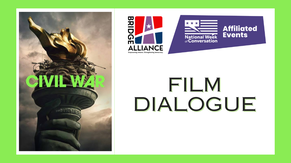 NCDD member organization, The Bridge Alliance, is hosting an online dialogue event for the new film, Civil War, on April 20th at 7pm Eastern, 4pm Pacific. By facilitating discussions around the film, the event seeks to harness art's power to foster connection amidst societal divides and reflect on shared concerns, particularly political violence. Open to all interested in discussing the movie in a structured and secure environment, the event encourages participation in large group introductions and small group discussions to spark engaging conversations. Learn more and register to join in tomorrow!
 Our constitutional democracy requires students to develop bridge-building skills to collaborate across different perspectives. "Bridging Heroes in the Prohuman Classroom" is a panel discussion featuring innovative civics educators aiming to inspire young bridge builders and foster a sense of shared humanity in classrooms. Moderated by Kent Lenci and joined by NCDD members - Living Room Conversations and AllSides, the event aims to address the prevalent demonization and division in society by equipping students with skills to collaborate across perspectives. Happening TODAY, April 18th at 8pm Eastern, 5pm Pacific - listen to civic educators and develop new ideas to implement at your school! Learn more in the post below and register here!
Join April 19th "Divided We Fall: Listening With Curiosity" Discussion with Film Cast and Crew4/17/2024 Join us for the National Week of Conversation (NWOC) virtual event on April 19th to discuss the new documentary "Divided We Fall: Listening With Curiosity", happening at 4pm Eastern, 1pm Pacific. The film explores how strangers divided over President Trump's presidency come together to discuss divisive issues like gun violence and immigration, and the film highlights the power of listening with curiosity to bridge divides. Open to anyone interested in promoting cohesion, participants are encouraged to complete a questionnaire and stream the film before attending the virtual event. Learn more in the post below and register here!
Enhancing Civic Conversations with the Fora App during National Week of Conversation (NWOC)4/16/2024 ICYMI - A great line-up for the National Week of Conversation (NWOC) is happening now until this Friday. Today is an interesting NWOC signature webinar titled "Building Communities that Listen: Crossing Party Lines Using the Fora App", at 12pm Eastern, 9am Pacific.
Participants from the Fora Mobile pilot will share their experiences with the platform aimed at enhancing civic conversations. This event showcases an app-based solution for addressing toxic divisions and encourages attendees to explore implementing similar tools in their communities. It's tailored for individuals involved in fostering meaningful conversations across diverse sectors like local government, education, faith-based organizations, and media. Learn more in the post below and join the event here! We are excited to announce the new NCDD Job & Internship Board! Our job and internship board connects individuals and organizations committed to driving positive change through meaningful conversations and collaboration. Whether you're a seasoned practitioner or a newcomer to the field, our job and internship board offers a wide array of opportunities tailored to your skills and interests.
We'll share new positions via the Job-Internship Board regularly, so make sure you bookmark the page and check back when you're looking for new opportunities. You'll notice at the top of the NCDD site, under the "News" tab, there is link to the new "NCDD Job-Internship Board". Jump to the NCDD Job & Internship Board here: www.ncdd.org/dd-jobs-internship-board. The Making A Living List (D&D Jobs List) will still remain active and we encourage members to continue sharing job/internships in that space if that is your preference. Opportunities shared on the Jobs list will be reshared on the Jobs Board to help further boost announcements in a public-facing place on the NCDD site for easier access.  |
Categories
All
|
 RSS Feed
Follow Us
ABOUT NCDD
NCDD is a community and coalition of individuals and organizations who bring people together to discuss, decide and collaborate on today's toughest issues.
© The National Coalition For Dialogue And Deliberation, Inc. All rights reserved.
© The National Coalition For Dialogue And Deliberation, Inc. All rights reserved.